

Self-Taught and Self-Made: Detroit Denim, Before the Runways—When No One in Fashion Was Like Me

Published January 25, 2026
When I first started making clothing in the early 80s, I didn’t think I was doing something new. I wasn’t trying to break barriers. I didn’t stop to consider that there were no Black-owned denim brands on the scene. I just loved denim—and I loved making jeans.

People often ask me why I chose denim. The answer’s simple: I started designing at 19 years old, and at that time, jeans were the uniform of young people. It was what my age group wore. I was part of the culture, and denim was at the center of it.
In those early days, I was blending denim with leather and metal hardware, doing experimental mash-ups of street and edge. I was completely self-taught. I read books about denim construction and finishing. I learned how stonewashing worked, using pumice stones and chlorine bleach to accelerate fading. I tested theories by handwashing small batches of jeans in the concrete wash tub located in our basement laundry room.

In my mom’s house, the basement was my workshop, and it became my world. I pinned pages torn from Vogue and W magazines across the walls like blueprints to where I wanted to go. In denim, I looked up to Calvin Klein. His jeans were everywhere—clean, commercial, and sexy. I admired how he marketed them. I had the iconic poster of Brooke Shields on my wall. I also hung pieced-together, double-page spreads from Patrick Kelly.

Patrick Kelly was something else. A true fashion disruptor. He was the first Black designer I ever saw positioned at the highest levels of fashion. His ads didn’t just showcase his work—they showcased him. He appeared in the center of his own fashion campaigns. A smiling Black man, dressed simply in denim overalls, a cap, and sneakers, surrounded by tall, elegant models in luxury dresses. These weren’t just ads; they were statements. The juxtapositions were loud and intentional: Southern Black charm meets Parisian couture. Raw overalls and polished heels. He stood among women of multiple races and backgrounds—all dressed in bold colors, polka dots, bows, prints, and form-fitting silhouettes. The stark contrast struck me. It wasn’t just the style. It was the message: I belong here. I am the designer. I make the rules.
Patrick showed me what it looked like to be a Black man with creative control—both behind and in front of the camera. His signature was everywhere, from the smiling Blackface caricature icon to the joyful, rebellious energy of the clothes themselves. I saw it as marketing genius. And I learned from it.
Meanwhile, I was still torn between dreams. At one point, I still wanted to go into film, working in special effects or making sci-fi movies. But fashion was taking off. I was selling my clothes to friends, local shops, and even boutiques in nearby states. One foot was in the world of art and entertainment; the other was firmly planted in commerce.
But the deeper I got into fashion, the more I noticed something: I was almost always the only one who looked like me. The moment I stepped into the back rooms of high-end department stores or upscale boutiques to present my line to buyers, I could feel the tension. No one told me directly, but I felt the weight of being both Black and a straight male in an industry that, at the time, didn’t offer many seats at the table for either, let alone the combination. I wasn’t just different—I was an outlier.
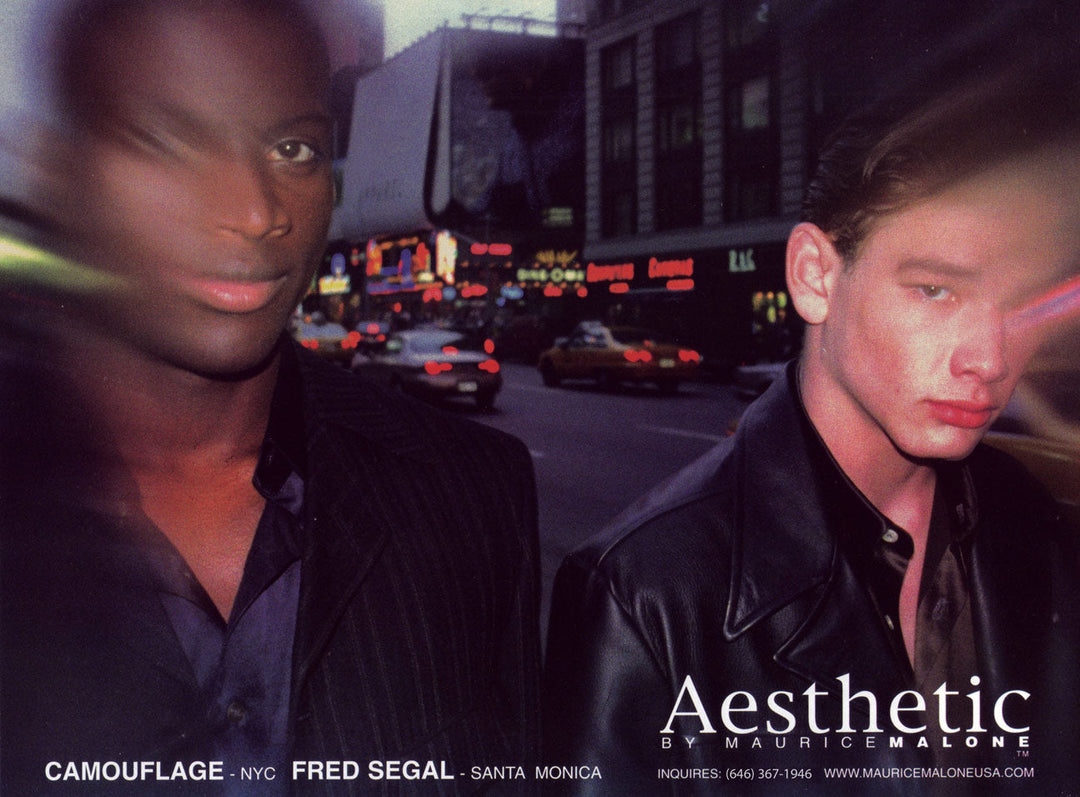
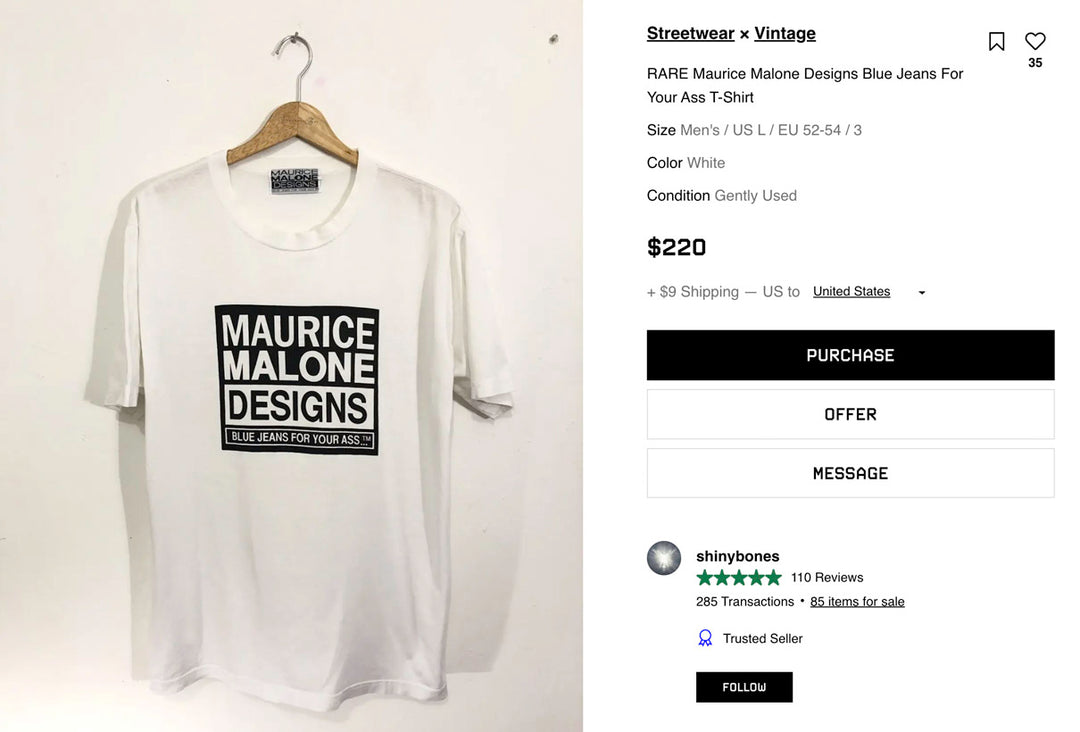
That changed when I shifted my attention to denim streetwear. I started selling to mom-and-pop shops in Detroit and the inner cities. I was home. These shop owners understood what I was doing. They sensed my point of view. They knew their customers would wear my pieces. That’s when the Maurice Malone brand really took off.
I didn’t abandon high fashion. I just put it on pause. I knew the game: luxury designers could trickle down to the mass market. My goal was to flip that script. I would start at the bottom, from the street, and work my way up—not just in denim, but with denim as my proof. That’s where the story really begins.


Leave a comment